Torsion Bar
High-Precision Torsion Bars for Superior Suspension Performance in Armored Vehicles
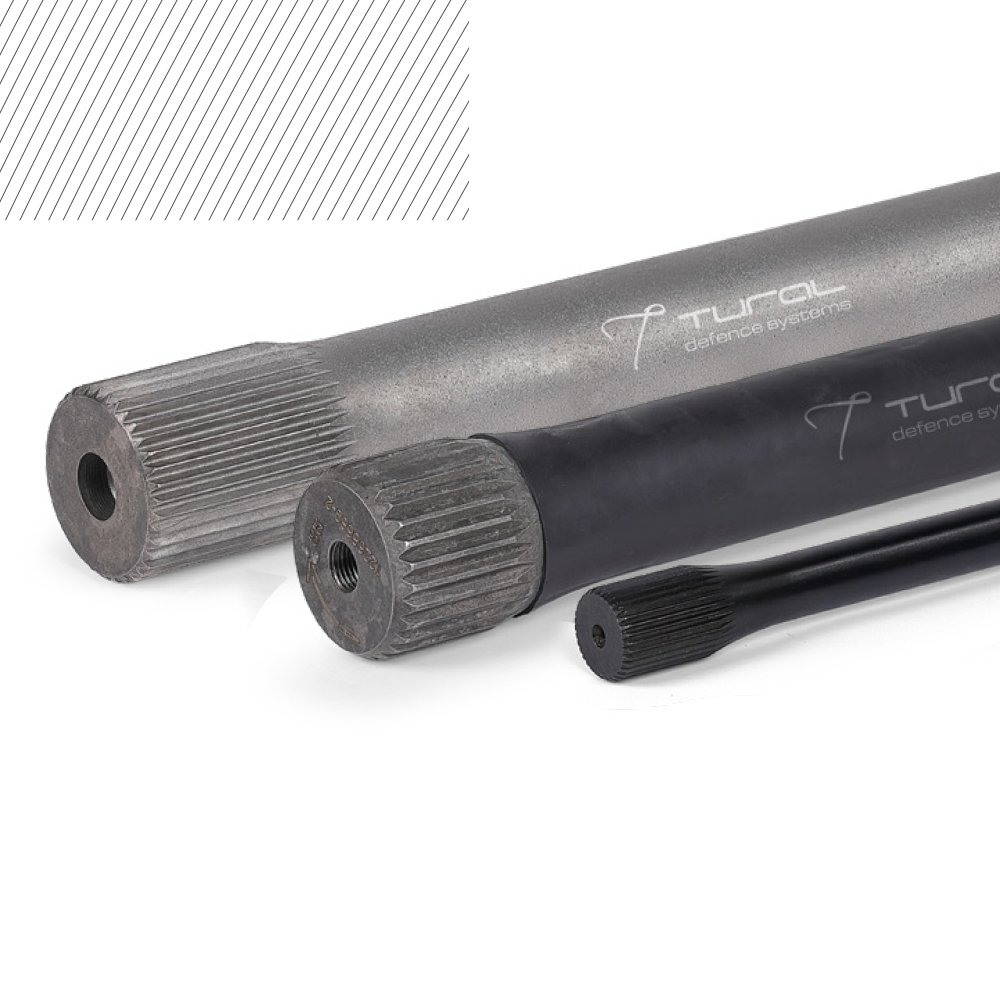
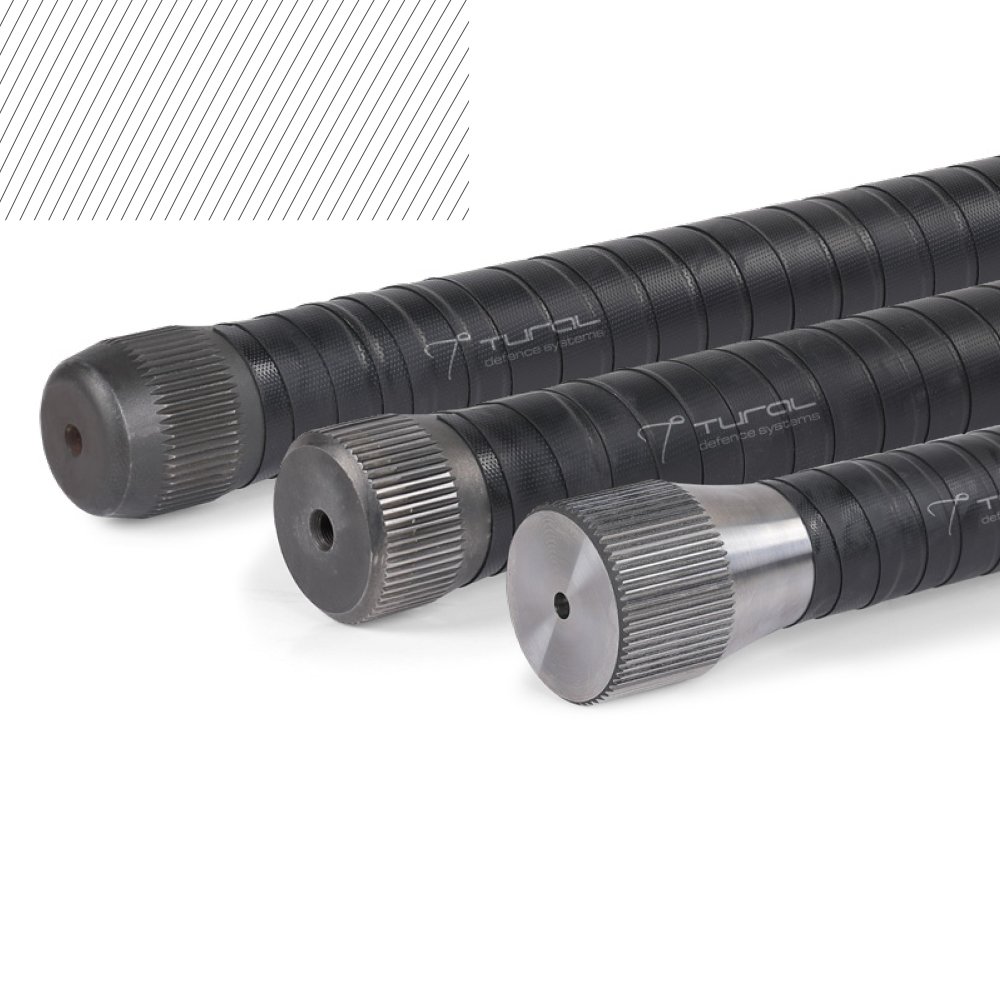
At TURAL Defence Systems, we provide high-precision, technologically advanced torsion bars—one of the most critical suspension components directly affecting the mobility and off-road performance of military armored ground vehicles. Our torsion bars are specifically engineered for platforms such as the M113 Armored Personnel Carrier, M60, M48, M88, BTR, M109 Main Battle Tank, and the Leopard series. Each is designed and manufactured to deliver maximum performance under the most demanding operational conditions.
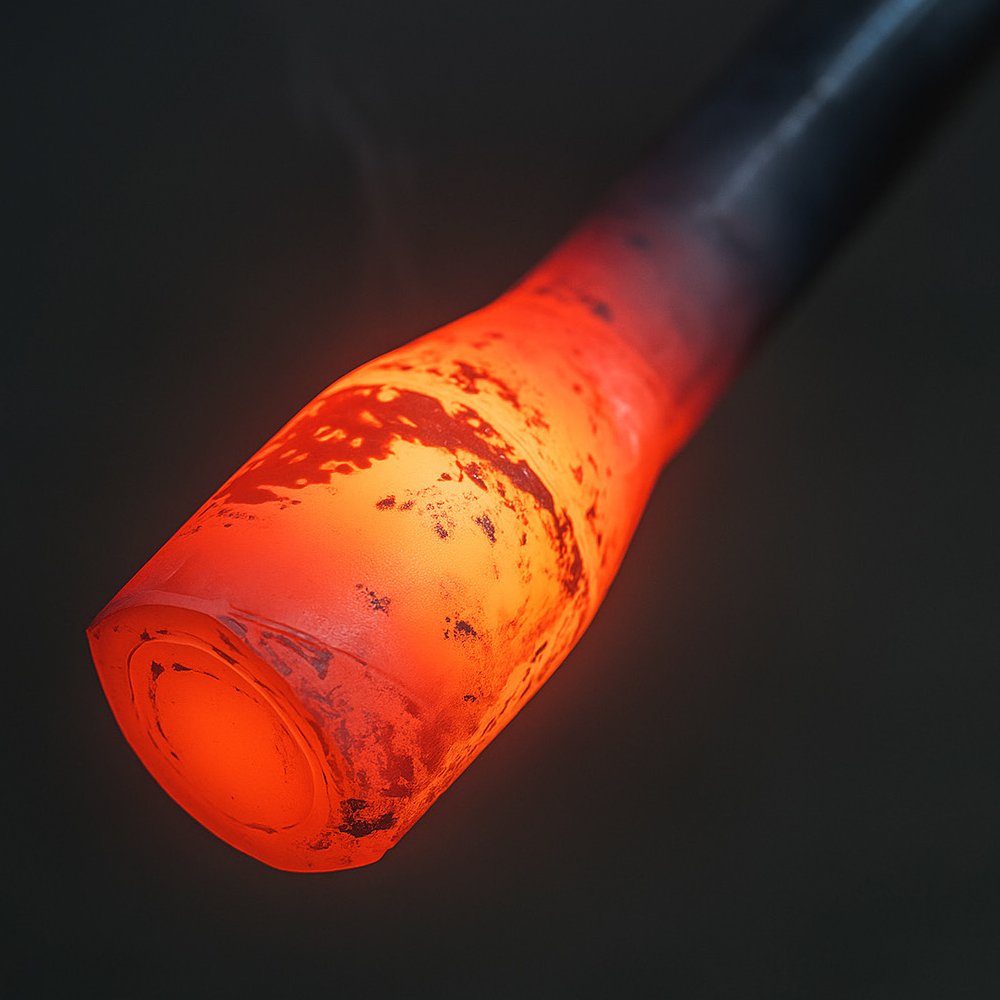
The production process begins with the precision cutting of specially alloyed high-strength steels to strict tolerances. All raw materials are procured in full compliance with carefully defined technical specifications. Upon arrival, every batch undergoes thorough quality inspections through chemical analysis and mechanical testing.
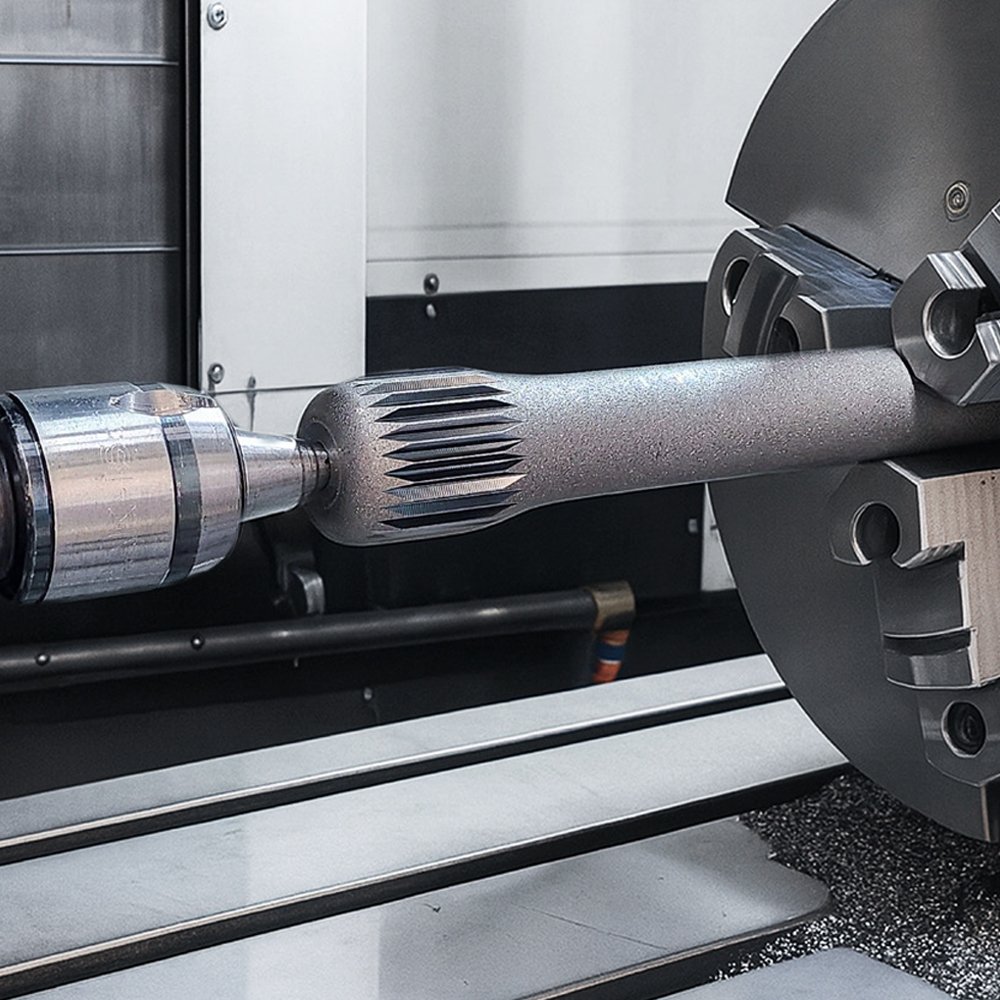
The threading process is applied to the bar ends. This step is critical in ensuring a secure and compatible connection with the vehicle’s suspension system. Further CNC machining is carried out to ensure that every torsion bar is produced exactly in accordance with technical drawings and dimensional tolerances. This ensures the component will perform its function on the vehicle with full reliability and precision. Next, the mechanical properties of the torsion bars are elevated to their final levels through a carefully controlled heat treatment process. This strengthens the material’s internal structure, providing both elasticity and high torque resistance. After heat treatment, the achieved hardness values on both surface and core areas are thoroughly checked using calibrated hardness testing equipment. A microstructural analysis is also conducted to verify the uniformity and stability of the material structure in accordance with the applied heat cycle.
A corrosion-resistant coating is then applied to provide long-term protection against environmental factors. Once coating is completed, the torsion bars are painted using military-standard coating systems to provide both aesthetic uniformity and surface durability.
In the final quality assurance stage, each torsion bar undergoes fatigue and torque resistance testing using in-house developed, proprietary testing equipment. These tests simulate actual operational conditions and verify each part’s long-term performance under repeated loading. Only those products that meet our stringent quality criteria proceed to the shipment stage. At the end of the production line, each torsion bar is labeled, tagged, and packaged with its respective quality certificates, ensuring full traceability throughout the lifecycle of the product. At TURAL Defence Systems, we manufacture each torsion bar with a meticulous approach, combining advanced engineering, state-of-the-art manufacturing technologies, and a multi-phase quality control system. Our mission is to provide durable, high-performance solutions that enhance the combat effectiveness of armored vehicles in the field. With an uncompromising commitment to quality and a strong sense of responsibility toward the defence industry, we deliver not just a product, but an engineering achievement that makes a difference on the battlefield.
Quality Assurance and Testing Processes
At TURAL Defence Systems, we implement a multilayered and systematic quality control process at every stage of torsion bar production to ensure the highest quality standards. This process begins with the acceptance of raw materials and continues through all production phases up to the final tests before shipment, encompassing comprehensive inspections at every step. The high-strength special alloy steels used in production are analyzed spectrometrically for chemical composition before being accepted into production. Samples prepared according to the EN ISO 14284 standard provide data to verify that each elemental composition falls within the specified tolerance ranges. Beyond chemical compliance, mechanical performance is evaluated through tensile and yield strength tests conducted on universal testing machines, with results assessed according to ISO 689-1 and EN 10083-1 standards. Additionally, hardness measurements are performed on three different points on the raw material surface using Rockwell HRB scales.
Following raw material acceptance, quality controls continue at critical stages of the production process. The internal structural integrity of components is examined via microscopic metallographic analysis performed in accordance with ASTM E45 standards, verifying microstructural phase distribution and material cleanliness class.
High-Performance Torsion Bar Manufacturing and Testing Processes in the Defence Industry
Following MPI, Ultrasonic Testing (UT) is conducted to detect volumetric defects within the torsion bar’s internal structure. Highfrequency sound waves are transmitted into the material, and analysis of wave transit times and reflections allows precise detection of internal cracks, voids, or foreign inclusions. Testing complies with EN 10221 Class C and EN 10228- 3 standards. Every test dataset is integrated into our quality control software to maintain full traceability of product history.
In threaded surfaces, the geometric conformity of thread profiles is checked with go/no-go gauges to ensure a precise fit without clearance, guaranteeing maximum compatibility at connection points. Dimensional accuracy is meticulously controlled using micrometers, calipers, and profile projectors for all critical measurements, ensuring full compliance with technical drawing tolerances. To guarantee the mechanical strength and performance of torsion bars after heat treatment, hardness testing is conducted using specialized devices.
Hardness, which indicates a material’s resistance to plastic deformation, is a fundamental mechanical property critical to the torsion bar’s elasticity, fatigue resistance, and longevity. Our Rockwell hardness testers operate with high precision, applying a specified load via indenters to measure the depth or diameter of the impression. The resulting hardness values are essential for verifying compliance with technical specifications. In addition to hardness, microstructural analyses are repeated to confirm the effect
Title of the block
Some description text for this item
-
$1,299.00 – $1,399.00Price range: $1,299.00 through $1,399.00Rated 4.00 out of 5Buy now This product has multiple variants. The options may be chosen on the product page
-
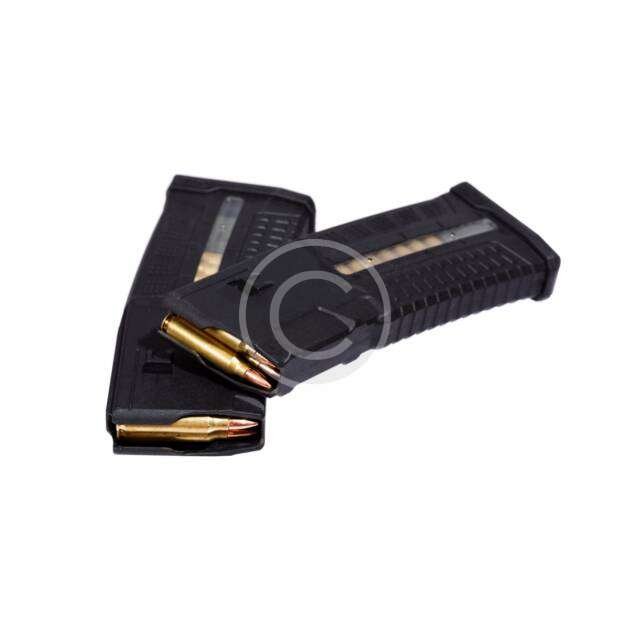
$15.00 – $23.00Price range: $15.00 through $23.00Rated 5.00 out of 5Buy now This product has multiple variants. The options may be chosen on the product page
-
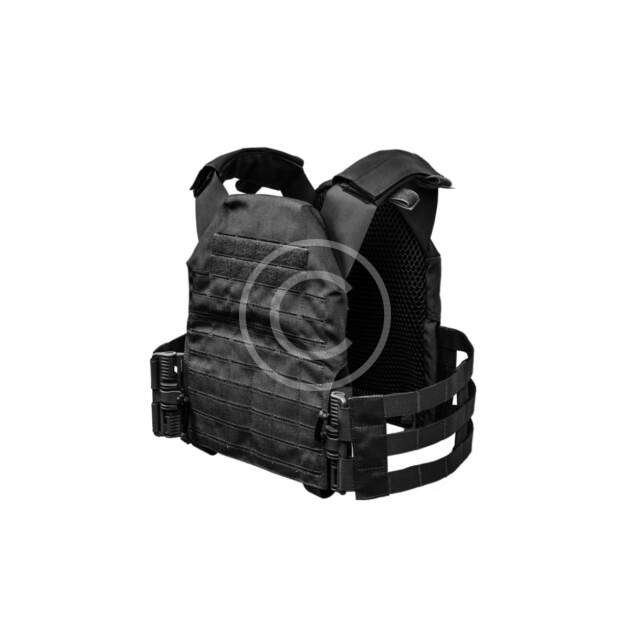
$220.00 – $230.00Price range: $220.00 through $230.00Rated 4.00 out of 5Buy now This product has multiple variants. The options may be chosen on the product page